Buy wmqe.com ?
We are moving the project
wmqe.com .
Are you interested in purchasing the domain
wmqe.com ?
domain@kv-gmbh.de · 0541-91531010
Buy wmqe.com ?
What are nonverbal autistics?
Nonverbal autistics are individuals on the autism spectrum who have limited or no verbal communication abilities. They may rely on alternative forms of communication such as gestures, pictures, or assistive technology devices to express their needs and thoughts. Nonverbal autistics may have challenges in understanding and using spoken language, but they can still communicate effectively through nonverbal means. It is important to recognize and support their unique communication needs to help them thrive and connect with others. **
What is nonverbal communication?
Nonverbal communication refers to the transmission of messages and information through nonverbal cues such as body language, facial expressions, gestures, and tone of voice. It is a form of communication that does not involve the use of words, but can still convey important information and emotions. Nonverbal communication can greatly impact how a message is received and understood, and it plays a crucial role in interpersonal interactions and relationships. It is an essential aspect of communication that complements and enhances verbal communication. **


Similar search terms for Nonverbal
Top-Angebote
Products related to Nonverbal:
-
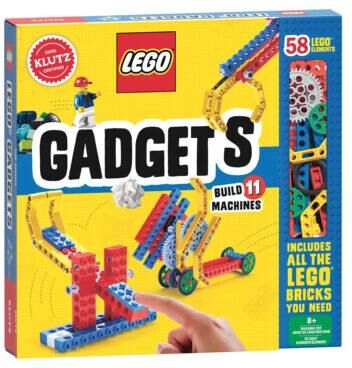
Klutz: LEGO GadgetsThis activity kit will have you building 11 machines including a gravity powered car and a wacky boxing robot. The fun doesn't stop once you've completed all of the projects in the book - open-ended prompts will inspire you to continue experimenting...24,99 $*Shipping: 0,00 $Secure redirect to the provider
-
Inspire Select Digital Timer Outlet Socket Programmable Countdown Plug Switch With 3 Timing Modes For Appliances & Kitchen Devices eu PlugTake control of your appliances and daily routines with precise, convenient automated timing. This intelligent socket lets you schedule power using timed, intermittent cycle, or countdown settings, giving you flexible control without constantly...132,98 $*Shipping: 0,00 $Secure redirect to the provider
-
Inspire Select 30 Minute Digital Countdown Timer Switch Smart 220V 10A Electrical Control For Kitchen Appliances & Home Devices 15 MinutesTake control of appliance timing with a simple solution that helps make everyday routines more convenient. This compact timer provides adjustable countdown control for compatible electrical devices, automatically switching them according to your...63,99 $*Shipping: 0,00 $Secure redirect to the provider
-
Rare Purchases Piece Repair Tool Kit With Torx Screwdrivers For Digital Devices And Gadgets hand TwistIntroducing our Multifunctional Precision Screwdriver Set, the essential tool kit for anyone who works with digital devices. Whether you're repairing a phone, tablet, PC, or any other gadget, this versatile tool set provides all the necessary...39,97 $*Shipping: 0,00 $Secure redirect to the provider


-
What characterizes nonverbal communication?
Nonverbal communication encompasses a wide range of behaviors and cues, including body language, facial expressions, gestures, eye contact, posture, and tone of voice. It is a significant aspect of human interaction and can convey emotions, attitudes, and intentions. Nonverbal communication is often spontaneous and can occur simultaneously with verbal communication, adding layers of meaning and nuance to the interaction. It is also influenced by cultural and social norms, making it important to consider the context and cultural background when interpreting nonverbal cues. **
-
Why is nonverbal communication important?
Nonverbal communication is important because it can convey emotions, attitudes, and intentions that may not be expressed through words. It can also enhance or contradict the verbal message, providing additional context and meaning to the conversation. Nonverbal cues such as body language, facial expressions, and tone of voice can help to build rapport, establish trust, and create a deeper connection with others. Additionally, being able to interpret and respond to nonverbal cues is essential for effective communication and understanding in various social and professional settings. **
-
What is verbal and nonverbal communication?
Verbal communication involves the use of words, spoken or written, to convey a message. It includes conversations, speeches, presentations, and written messages. Nonverbal communication, on the other hand, involves the use of gestures, facial expressions, body language, and tone of voice to convey meaning. Both verbal and nonverbal communication are essential in conveying messages effectively and understanding others in various social interactions. **
-
What is meant by nonverbal communication?
Nonverbal communication refers to the transmission of messages or information through non-linguistic means, such as body language, facial expressions, gestures, and tone of voice. It is a form of communication that can convey emotions, attitudes, and intentions without the use of words. Nonverbal communication plays a crucial role in interpersonal interactions and can significantly impact the way a message is perceived and understood. It is an essential aspect of communication that complements verbal communication and can provide additional context and meaning to the spoken words. **


Is laughter verbal or nonverbal communication?
Laughter is considered a form of nonverbal communication. While it is a vocal expression involving the production of sound, laughter is typically spontaneous and often communicates emotions such as joy, amusement, or relief without the use of words. The tone, pitch, and duration of laughter can convey a range of meanings and emotions, making it a powerful nonverbal communication tool. **
What are verbal, nonverbal, and paraverbal communication?
Verbal communication involves the use of spoken or written words to convey a message. Nonverbal communication includes gestures, facial expressions, body language, and other forms of communication that do not involve words. Paraverbal communication refers to the way in which words are spoken, including tone of voice, volume, pitch, and speed of speech, which can greatly impact the message being conveyed. Together, verbal, nonverbal, and paraverbal communication work together to effectively communicate thoughts, feelings, and intentions. **
Top-Angebote
Products related to Nonverbal:
-
Rare Purchases Piece Repair Tool Kit With Torx Screwdrivers For Digital Devices And Gadgets magnetismIntroducing our Multifunctional Precision Screwdriver Set, the essential tool kit for anyone who works with digital devices. Whether you're repairing a phone, tablet, PC, or any other gadget, this versatile tool set provides all the necessary...49,97 $*Shipping: 0,00 $Secure redirect to the provider
-
Klutz: LEGO GadgetsThis activity kit will have you building 11 machines including a gravity powered car and a wacky boxing robot. The fun doesn't stop once you've completed all of the projects in the book - open-ended prompts will inspire you to continue experimenting...24,99 $*Shipping: 0,00 $Secure redirect to the provider
-
Inspire Select Digital Timer Outlet Socket Programmable Countdown Plug Switch With 3 Timing Modes For Appliances & Kitchen Devices eu PlugTake control of your appliances and daily routines with precise, convenient automated timing. This intelligent socket lets you schedule power using timed, intermittent cycle, or countdown settings, giving you flexible control without constantly...132,98 $*Shipping: 0,00 $Secure redirect to the provider
-
What are nonverbal autistics?
Nonverbal autistics are individuals on the autism spectrum who have limited or no verbal communication abilities. They may rely on alternative forms of communication such as gestures, pictures, or assistive technology devices to express their needs and thoughts. Nonverbal autistics may have challenges in understanding and using spoken language, but they can still communicate effectively through nonverbal means. It is important to recognize and support their unique communication needs to help them thrive and connect with others. **
-
What is nonverbal communication?
Nonverbal communication refers to the transmission of messages and information through nonverbal cues such as body language, facial expressions, gestures, and tone of voice. It is a form of communication that does not involve the use of words, but can still convey important information and emotions. Nonverbal communication can greatly impact how a message is received and understood, and it plays a crucial role in interpersonal interactions and relationships. It is an essential aspect of communication that complements and enhances verbal communication. **
-
What characterizes nonverbal communication?
Nonverbal communication encompasses a wide range of behaviors and cues, including body language, facial expressions, gestures, eye contact, posture, and tone of voice. It is a significant aspect of human interaction and can convey emotions, attitudes, and intentions. Nonverbal communication is often spontaneous and can occur simultaneously with verbal communication, adding layers of meaning and nuance to the interaction. It is also influenced by cultural and social norms, making it important to consider the context and cultural background when interpreting nonverbal cues. **
-
Why is nonverbal communication important?
Nonverbal communication is important because it can convey emotions, attitudes, and intentions that may not be expressed through words. It can also enhance or contradict the verbal message, providing additional context and meaning to the conversation. Nonverbal cues such as body language, facial expressions, and tone of voice can help to build rapport, establish trust, and create a deeper connection with others. Additionally, being able to interpret and respond to nonverbal cues is essential for effective communication and understanding in various social and professional settings. **
Similar search terms for Nonverbal
-
Inspire Select 30 Minute Digital Countdown Timer Switch Smart 220V 10A Electrical Control For Kitchen Appliances & Home Devices 15 MinutesTake control of appliance timing with a simple solution that helps make everyday routines more convenient. This compact timer provides adjustable countdown control for compatible electrical devices, automatically switching them according to your...63,99 $*Shipping: 0,00 $Secure redirect to the provider
-
Rare Purchases Piece Repair Tool Kit With Torx Screwdrivers For Digital Devices And Gadgets hand TwistIntroducing our Multifunctional Precision Screwdriver Set, the essential tool kit for anyone who works with digital devices. Whether you're repairing a phone, tablet, PC, or any other gadget, this versatile tool set provides all the necessary...39,97 $*Shipping: 0,00 $Secure redirect to the provider
-
Inspire Select Digital Timer Outlet Socket Programmable Countdown Plug Switch With 3 Timing Modes For Appliances & Kitchen Devices uk PlugTake control of your appliances and daily routines with precise, convenient automated timing. This intelligent socket lets you schedule power using timed, intermittent cycle, or countdown settings, giving you flexible control without constantly...133,99 $*Shipping: 0,00 $Secure redirect to the provider
-
Inspire Select 30 Minute Digital Countdown Timer Switch Smart 220V 10A Electrical Control For Kitchen Appliances & Home Devices 60 MinutesTake control of appliance timing with a simple solution that helps make everyday routines more convenient. This compact timer provides adjustable countdown control for compatible electrical devices, automatically switching them according to your...62,97 $*Shipping: 0,00 $Secure redirect to the provider
-
What is verbal and nonverbal communication?
Verbal communication involves the use of words, spoken or written, to convey a message. It includes conversations, speeches, presentations, and written messages. Nonverbal communication, on the other hand, involves the use of gestures, facial expressions, body language, and tone of voice to convey meaning. Both verbal and nonverbal communication are essential in conveying messages effectively and understanding others in various social interactions. **
-
What is meant by nonverbal communication?
Nonverbal communication refers to the transmission of messages or information through non-linguistic means, such as body language, facial expressions, gestures, and tone of voice. It is a form of communication that can convey emotions, attitudes, and intentions without the use of words. Nonverbal communication plays a crucial role in interpersonal interactions and can significantly impact the way a message is perceived and understood. It is an essential aspect of communication that complements verbal communication and can provide additional context and meaning to the spoken words. **
-
Is laughter verbal or nonverbal communication?
Laughter is considered a form of nonverbal communication. While it is a vocal expression involving the production of sound, laughter is typically spontaneous and often communicates emotions such as joy, amusement, or relief without the use of words. The tone, pitch, and duration of laughter can convey a range of meanings and emotions, making it a powerful nonverbal communication tool. **
-
What are verbal, nonverbal, and paraverbal communication?
Verbal communication involves the use of spoken or written words to convey a message. Nonverbal communication includes gestures, facial expressions, body language, and other forms of communication that do not involve words. Paraverbal communication refers to the way in which words are spoken, including tone of voice, volume, pitch, and speed of speech, which can greatly impact the message being conveyed. Together, verbal, nonverbal, and paraverbal communication work together to effectively communicate thoughts, feelings, and intentions. **
* All prices are inclusive of VAT and, if applicable, plus shipping costs. The offer information is based on the details provided by the respective shop and is updated through automated processes. Real-time updates do not occur, so deviations can occur in individual cases. ** Note: Parts of this content were created by AI.