Buy wmqe.com ?
We are moving the project
wmqe.com .
Are you interested in purchasing the domain
wmqe.com ?
domain@kv-gmbh.de · 0541-91531010
Buy wmqe.com ?
What are demonstrative pronouns and relative pronouns?
Demonstrative pronouns are pronouns that are used to point to specific things or people. Examples of demonstrative pronouns include "this," "that," "these," and "those." Relative pronouns are pronouns that introduce dependent clauses and connect them to independent clauses. Examples of relative pronouns include "who," "whom," "whose," "which," and "that." **
Why are demonstrative pronouns called demonstrative pronouns?
Demonstrative pronouns are called demonstrative because they demonstrate or point to a specific noun or pronoun in a sentence. They help to indicate the position or location of the noun or pronoun in relation to the speaker or listener. By using demonstrative pronouns such as "this," "that," "these," and "those," speakers can make their communication more precise and clear by specifying which person, place, thing, or idea they are referring to. **

Similar search terms for Pronouns
Top-Angebote
Products related to Pronouns:
-
Inspire Select Digital Timer Outlet Socket Programmable Countdown Plug Switch With 3 Timing Modes For Appliances & Kitchen Devices us PlugTake control of your appliances and daily routines with precise, convenient automated timing. This intelligent socket lets you schedule power using timed, intermittent cycle, or countdown settings, giving you flexible control without constantly...132,95 $*Shipping: 0,00 $Secure redirect to the provider
-
Inspire Select 30 Minute Digital Countdown Timer Switch Smart 220V 10A Electrical Control For Kitchen Appliances & Home Devices 60 MinutesTake control of appliance timing with a simple solution that helps make everyday routines more convenient. This compact timer provides adjustable countdown control for compatible electrical devices, automatically switching them according to your...62,97 $*Shipping: 0,00 $Secure redirect to the provider
-
Rare Purchases Piece Repair Tool Kit With Torx Screwdrivers For Digital Devices And Gadgets hand TwistIntroducing our Multifunctional Precision Screwdriver Set, the essential tool kit for anyone who works with digital devices. Whether you're repairing a phone, tablet, PC, or any other gadget, this versatile tool set provides all the necessary...39,97 $*Shipping: 0,00 $Secure redirect to the provider
-
Inspire Select 30 Minute Digital Countdown Timer Switch Smart 220V 10A Electrical Control For Kitchen Appliances & Home Devices 120 MinutesTake control of appliance timing with a simple solution that helps make everyday routines more convenient. This compact timer provides adjustable countdown control for compatible electrical devices, automatically switching them according to your...56,92 $*Shipping: 0,00 $Secure redirect to the provider


-
With which pronouns do many people confuse reflexive pronouns?
Many people confuse reflexive pronouns with personal pronouns. For example, they may use "myself" or "yourself" instead of "me" or "you" in a sentence. This confusion often occurs when people are trying to emphasize the subject of the sentence, but they mistakenly use a reflexive pronoun instead of a personal pronoun. It's important to understand the difference between reflexive and personal pronouns in order to use them correctly in sentences. **
-
What are pronouns?
Pronouns are words that are used in place of nouns to avoid repetition in a sentence. They can refer to people, places, things, or ideas. Pronouns help make sentences clearer and more concise by replacing specific nouns with general words like "he," "she," "it," "they," and "we." Using pronouns also helps to maintain the flow of writing and make it more engaging for the reader. **
-
What is the difference between personal pronouns and reflexive pronouns?
Personal pronouns are used to refer to people or things, such as "I," "you," "he," "she," "it," "we," and "they." Reflexive pronouns, on the other hand, are used when the subject and object of a sentence are the same person or thing, such as "myself," "yourself," "himself," "herself," "itself," "ourselves," and "themselves." Reflexive pronouns are used to reflect the action back onto the subject, while personal pronouns simply refer to the subject or object. **
-
Which pronouns do many people often confuse with reflexive pronouns?
Many people often confuse reflexive pronouns with intensive pronouns. Intensive pronouns are used to emphasize a preceding noun or pronoun, while reflexive pronouns are used when the subject and object of a sentence are the same. For example, "I myself will do it" uses an intensive pronoun, while "I hurt myself" uses a reflexive pronoun. It is important to understand the distinction between these two types of pronouns to use them correctly in sentences. **


Can you help me with personal pronouns and possessive pronouns?
Certainly! Personal pronouns are used to replace nouns in a sentence, such as "I", "you", "he", "she", "it", "we", and "they". Possessive pronouns show ownership or possession, such as "mine", "yours", "his", "hers", "ours", and "theirs". If you need help understanding how to use these pronouns in a sentence or identifying which pronoun to use in a specific context, feel free to ask for more guidance. **
What is the difference between relative pronouns and interrogative pronouns?
Relative pronouns are used to connect a dependent clause to an independent clause, providing more information about a noun in the independent clause. They include words like "who," "which," and "that." Interrogative pronouns, on the other hand, are used to ask questions and gather information. They include words like "who," "what," "which," "whom," and "whose." The main difference between the two is their function in a sentence - relative pronouns connect clauses, while interrogative pronouns are used to ask questions. **
Top-Angebote
Products related to Pronouns:
-
Rare Purchases Piece Repair Tool Kit With Torx Screwdrivers For Digital Devices And Gadgets magnetismIntroducing our Multifunctional Precision Screwdriver Set, the essential tool kit for anyone who works with digital devices. Whether you're repairing a phone, tablet, PC, or any other gadget, this versatile tool set provides all the necessary...49,97 $*Shipping: 0,00 $Secure redirect to the provider
-
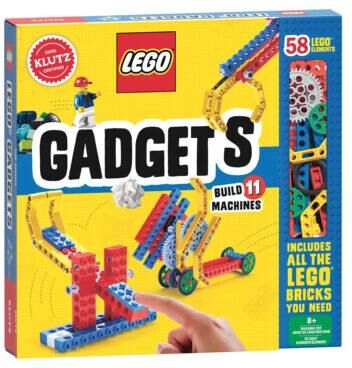
Klutz: LEGO GadgetsThis activity kit will have you building 11 machines including a gravity powered car and a wacky boxing robot. The fun doesn't stop once you've completed all of the projects in the book - open-ended prompts will inspire you to continue experimenting...24,99 $*Shipping: 0,00 $Secure redirect to the provider
-
Inspire Select Digital Timer Outlet Socket Programmable Countdown Plug Switch With 3 Timing Modes For Appliances & Kitchen Devices us PlugTake control of your appliances and daily routines with precise, convenient automated timing. This intelligent socket lets you schedule power using timed, intermittent cycle, or countdown settings, giving you flexible control without constantly...132,95 $*Shipping: 0,00 $Secure redirect to the provider
-
Inspire Select 30 Minute Digital Countdown Timer Switch Smart 220V 10A Electrical Control For Kitchen Appliances & Home Devices 60 MinutesTake control of appliance timing with a simple solution that helps make everyday routines more convenient. This compact timer provides adjustable countdown control for compatible electrical devices, automatically switching them according to your...62,97 $*Shipping: 0,00 $Secure redirect to the provider
-
What are demonstrative pronouns and relative pronouns?
Demonstrative pronouns are pronouns that are used to point to specific things or people. Examples of demonstrative pronouns include "this," "that," "these," and "those." Relative pronouns are pronouns that introduce dependent clauses and connect them to independent clauses. Examples of relative pronouns include "who," "whom," "whose," "which," and "that." **
-
Why are demonstrative pronouns called demonstrative pronouns?
Demonstrative pronouns are called demonstrative because they demonstrate or point to a specific noun or pronoun in a sentence. They help to indicate the position or location of the noun or pronoun in relation to the speaker or listener. By using demonstrative pronouns such as "this," "that," "these," and "those," speakers can make their communication more precise and clear by specifying which person, place, thing, or idea they are referring to. **
-
With which pronouns do many people confuse reflexive pronouns?
Many people confuse reflexive pronouns with personal pronouns. For example, they may use "myself" or "yourself" instead of "me" or "you" in a sentence. This confusion often occurs when people are trying to emphasize the subject of the sentence, but they mistakenly use a reflexive pronoun instead of a personal pronoun. It's important to understand the difference between reflexive and personal pronouns in order to use them correctly in sentences. **
-
What are pronouns?
Pronouns are words that are used in place of nouns to avoid repetition in a sentence. They can refer to people, places, things, or ideas. Pronouns help make sentences clearer and more concise by replacing specific nouns with general words like "he," "she," "it," "they," and "we." Using pronouns also helps to maintain the flow of writing and make it more engaging for the reader. **
Similar search terms for Pronouns
-
Rare Purchases Piece Repair Tool Kit With Torx Screwdrivers For Digital Devices And Gadgets hand TwistIntroducing our Multifunctional Precision Screwdriver Set, the essential tool kit for anyone who works with digital devices. Whether you're repairing a phone, tablet, PC, or any other gadget, this versatile tool set provides all the necessary...39,97 $*Shipping: 0,00 $Secure redirect to the provider
-
Inspire Select 30 Minute Digital Countdown Timer Switch Smart 220V 10A Electrical Control For Kitchen Appliances & Home Devices 120 MinutesTake control of appliance timing with a simple solution that helps make everyday routines more convenient. This compact timer provides adjustable countdown control for compatible electrical devices, automatically switching them according to your...56,92 $*Shipping: 0,00 $Secure redirect to the provider
-
Inspire Select 30 Minute Digital Countdown Timer Switch Smart 220V 10A Electrical Control For Kitchen Appliances & Home Devices 15 MinutesTake control of appliance timing with a simple solution that helps make everyday routines more convenient. This compact timer provides adjustable countdown control for compatible electrical devices, automatically switching them according to your...63,99 $*Shipping: 0,00 $Secure redirect to the provider
-
Inspire Select Digital Timer Outlet Socket Programmable Countdown Plug Switch With 3 Timing Modes For Appliances & Kitchen Devices uk PlugTake control of your appliances and daily routines with precise, convenient automated timing. This intelligent socket lets you schedule power using timed, intermittent cycle, or countdown settings, giving you flexible control without constantly...133,99 $*Shipping: 0,00 $Secure redirect to the provider
-
What is the difference between personal pronouns and reflexive pronouns?
Personal pronouns are used to refer to people or things, such as "I," "you," "he," "she," "it," "we," and "they." Reflexive pronouns, on the other hand, are used when the subject and object of a sentence are the same person or thing, such as "myself," "yourself," "himself," "herself," "itself," "ourselves," and "themselves." Reflexive pronouns are used to reflect the action back onto the subject, while personal pronouns simply refer to the subject or object. **
-
Which pronouns do many people often confuse with reflexive pronouns?
Many people often confuse reflexive pronouns with intensive pronouns. Intensive pronouns are used to emphasize a preceding noun or pronoun, while reflexive pronouns are used when the subject and object of a sentence are the same. For example, "I myself will do it" uses an intensive pronoun, while "I hurt myself" uses a reflexive pronoun. It is important to understand the distinction between these two types of pronouns to use them correctly in sentences. **
-
Can you help me with personal pronouns and possessive pronouns?
Certainly! Personal pronouns are used to replace nouns in a sentence, such as "I", "you", "he", "she", "it", "we", and "they". Possessive pronouns show ownership or possession, such as "mine", "yours", "his", "hers", "ours", and "theirs". If you need help understanding how to use these pronouns in a sentence or identifying which pronoun to use in a specific context, feel free to ask for more guidance. **
-
What is the difference between relative pronouns and interrogative pronouns?
Relative pronouns are used to connect a dependent clause to an independent clause, providing more information about a noun in the independent clause. They include words like "who," "which," and "that." Interrogative pronouns, on the other hand, are used to ask questions and gather information. They include words like "who," "what," "which," "whom," and "whose." The main difference between the two is their function in a sentence - relative pronouns connect clauses, while interrogative pronouns are used to ask questions. **
* All prices are inclusive of VAT and, if applicable, plus shipping costs. The offer information is based on the details provided by the respective shop and is updated through automated processes. Real-time updates do not occur, so deviations can occur in individual cases. ** Note: Parts of this content were created by AI.